


Biochemistry Test System
Why Choose Us
Our Certificate
Our quality system also meets the requirements of China's nMPA medical device quality system specification. The factory has passed China's nMPA registration; obtained TUV's ISO13485:2016 quality management system certification; passed the TUV CE registration audit and obtained CE certificates for several products.
Rich Experience
Specialized in the research and development, production and sales of IVD (in vitro diagnostic) reagents and supporting instruments. Most of our R&D team members have more than eight years of experience in POCT product development.
Quality Control
With high-performance production equipment, strict quality management strategies and quality control methods, we are able to quickly provide customers with high-quality, low-cost, and excellent products.
Quality customer service
Our dedicated team is always ready to answer your questions, provide you with detailed information about our products and guide you in your choice.
What is Biochemistry Test System
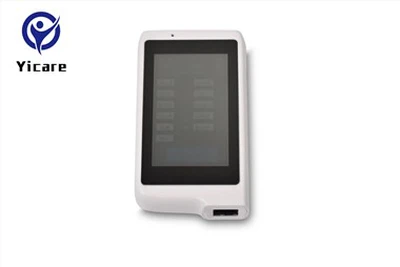
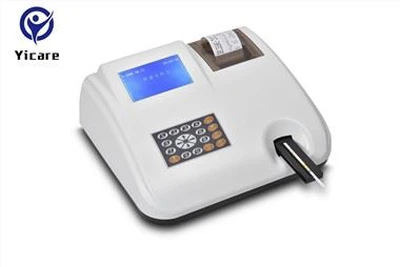
Biochemistry Test Systems can be used to diagnose diseases, monitor treatments, and help healthcare providers to understand what is happening in the body, for example, blood and urine tests for cholesterol, glucose, and liver function. The system involves analysis of various biomolecules ranging from small metabolites to proteins, lipids, and nucleic acids. The tests are performed using advanced laboratory equipment and techniques to ensure accuracy and reliability.
-
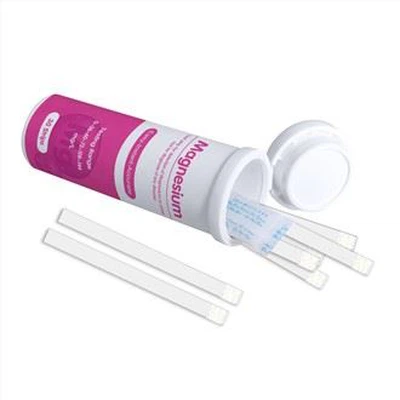
![Magnesium Urine Test Strip]() Magnesium Urine Test Strip
Magnesium Urine Test Strip$ 1.50
-
![2 in 1 Water Test Kit]() 2 in 1 Water Test Kit
2 in 1 Water Test Kit$ 1.30
-
![Pool Water Test Strip]() Pool Water Test Strip
Pool Water Test Strip$ 1.42
-
![Water Testing Kits]() Water Testing Kits
Water Testing Kits$ 2.24
-
![URS-2K Urinalysis Strips]() URS-2K Urinalysis Strips
URS-2K Urinalysis Strips$ 0.90
-
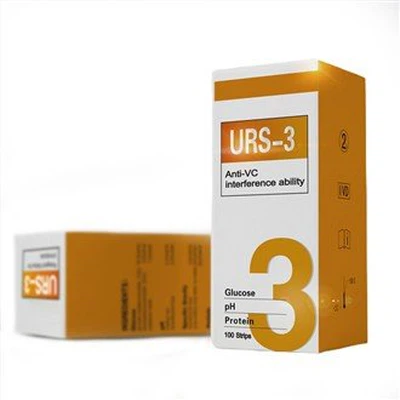
![URS-3N Urine Test Strip]() URS-3N Urine Test Strip
URS-3N Urine Test Strip$ 0.97
-
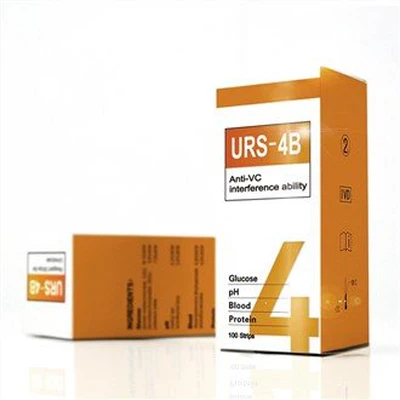
![URS-4B Urine Test Strip]() URS-4B Urine Test Strip
URS-4B Urine Test Strip$ 1.50



Benefits of Biochemistry Test System
Accurate and Rapid Results
One of the primary advantages of biochemistry test system is their ability to provide accurate and rapid results. This is crucial in emergency situations where quick decisions need to be made. These machines reduce the waiting time for test results, enabling healthcare professionals to initiate treatment promptly.
Comprehensive Testing
Biochemistry test system offer a wide range of tests within a single machine, making them highly versatile. This saves both time and resources, as laboratories don't need multiple devices for different tests. It also minimizes the risk of errors that can occur during sample handling and data entry.
Enhanced Patient Care
The accuracy of biochemistry test system contributes to better patient care. Healthcare providers can make well-informed decisions, leading to more effective treatments and improved patient outcomes. This, in turn, enhances the reputation of healthcare institutions and instills confidence in patients.
Monitoring Chronic Conditions
For patients with chronic diseases such as diabetes, regular monitoring of biomarkers like blood glucose levels is essential. Biochemistry test systems make it easier for individuals to manage their conditions by providing precise data, enabling them to adjust their treatment plans as needed.
What are the Applications of Biochemistry Test System


Clinical Diagnosis
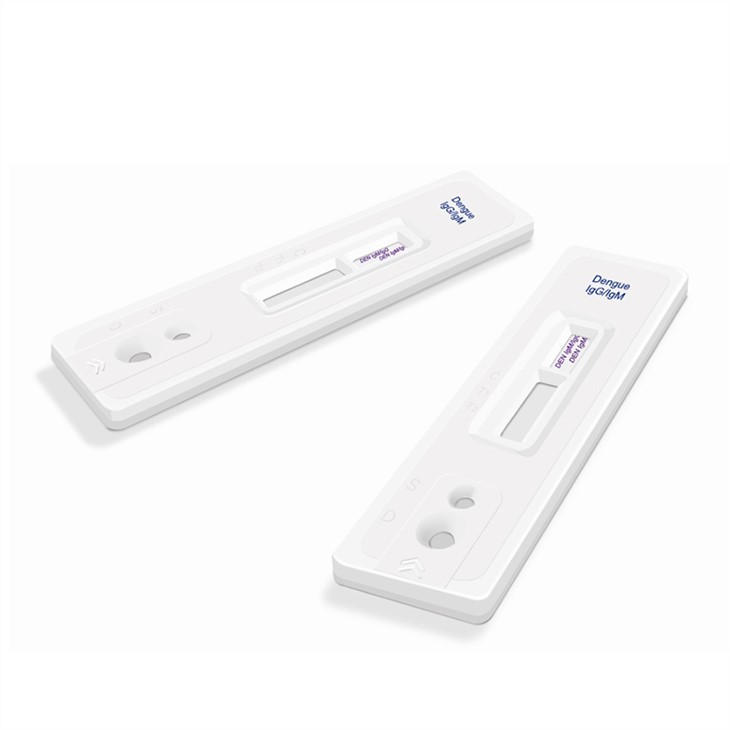
Biochemistry test system are used in medical diagnosis to identify diseases, infections, and disorders. They help to identify the biomarkers, enzymes, and metabolites present in the patient’s body that indicate a disease.
Drug Discovery and Development
Biochemistry test system are used to evaluate the efficacy and safety of new drugs. They help to identify the molecular targets of drugs and assess their effectiveness in treating specific diseases. Biochemistry test system are also used in drug screening to identify potential drug candidates.
Forensic Analysis
Biochemistry test system are used in forensic science to identify biological samples such as blood, saliva, urine, and semen. They help to determine the identity of suspects and victims in criminal investigations.
Food Industry
Biochemistry test system are used to assess the quality and safety of food products. They help to detect harmful contaminants such as bacteria, viruses, and toxins that can cause foodborne illnesses.
Agriculture
Biochemistry test system are used in agriculture to analyze soil, water, and plants. They help to identify nutrient deficiencies, soil quality, and plant diseases. Biochemistry test system are also used to assess the quality of animal feed and livestock products.
Environmental Monitoring
Biochemistry test system are used in environmental monitoring to assess the impact of pollutants on ecosystems. They help to identify the presence of harmful chemicals such as heavy metals, pesticides, and toxic waste in air, water, and soil.
Biotechnology
Biochemistry test system are used in biotechnology to analyze genetic material, proteins, and other biomolecules. They help to develop and optimize bioprocessing methods for the production of therapeutic proteins, enzymes, and other biologics.
The Role Of Biochemistry Test System In Clinical Diagnosis Of Diseases
Early diagnosis
Combined with clinical symptoms, test results will allow early diagnosis and detection of many diseases. Currently, clinicians use test results to guide the diagnosis to a great extent, and up to 60% of diagnostic results are based on testing. The diagnosis must be correct and accurate in order for the right treatment to be possible.
Differential diagnosis
Some diseases have similar symptoms, so Biochemistry test system are the basis to assist the clinician in the differential diagnosis of these diseases.


Monitoring and prognosis
The results of clinical biochemistry tests also play a role in monitoring and evaluating the effectiveness of treatment methods after definite diagnosis of the disease, as well as the basis for making prognosis. good or bad disease. Based on that, the doctor can change the treatment method to suit the patient's condition.
Screening
The results of clinical biochemistry tests are also the basis for doctors to screen for pathologies, minimizing costs of examination, testing and treatment. Depending on the pathology, the doctor will specify the next steps of examination, testing and treatment to suit the patient's condition, based on the results of the initial biochemical test.
Common Biochemistry Test System Include
Biochemical tests to help assess hepatobiliary function
Provides indicators to help clinicians identify the activity and function of the hepatobiliary system, which is common. are AST (GOT), ALT (GPT), GGT, albumin, bilirubin, protein, ... blood levels. Compared to normal, GOT and GPT are very high when there are problems in the liver, in which, GPT is higher and earlier than GOT before signs of jaundice appear.
Biochemical tests of pancreatic function
the tests used are to determine blood and urine amylase activity. Another test that is specific for pancreatic function is the blood lipase test, which has different normal values depending on the technique and reagents.
Biochemical test to assess blood sugar level
in addition to blood glucose test, HbA1C is a special type of hemoglobin that combines hemoglobin and glucose by the reaction between glucose and hemoglobin to form glycosylated hemoglobin in red blood cells when the blood glucose level is high. blood sugar levels rise above normal for a sufficiently long period of time, indicating that the hemoglobin of red blood cells is saturated with glucose in the form of glyco-hemoglobin. By measuring the HbA1C level, the physician can determine the average blood glucose concentration in the previous 2-3 months of the patient.
Biochemical tests to help assess urinary kidney function
Provides clinicians with indicators to help assess kidney and urinary system function including urea and creatinine concentrations in blood and water. urine. Biochemical test evaluates the levels of lipoproteins (fats) in the blood: Provides indicators such as levels of total cholesterol in the blood, LDL-C, HDL-C and triglycerides.
The Working Principles of Biochemistry Test System
Sample Collection
A patient's blood or urine sample is collected and prepared for analysis.
01
Analyte Detection
The sample is introduced into the analyzer, where it undergoes various chemical reactions. Depending on the type of test, these reactions may involve enzymes, antibodies, or chemical reagents.
02
Signal Detection
The analyzer detects signals produced during these reactions that are proportional to the concentration of the target analyte (e.g., glucose, cholesterol).
03
Data Analysis
The machine processes the detected signals and calculates the concentration of the analyte in the sample.
04
Results Reporting
The final results are displayed or printed for interpretation by healthcare professionals.
05
Follow the manufacturer's instructions
The first and most important step in maintaining and cleaning your Biochemistry test system is to follow the manufacturer's instructions. Every model is different, and the manufacturer knows their product best. The manual will provide important information on how often the analyzer needs maintenance and cleaning, how to perform these tasks, and what products to use.
Keep it clean
A clean Biochemistry test system is a happy Biochemistry test system. Always wipe down the exterior of the machine with a damp cloth to remove dust and debris. Make sure to also clean the interior of the analyzer regularly. Any spills or leaks must be cleaned up immediately with a suitable solvent.
Perform calibrations regularly
Biochemistry test systems require regular calibration to ensure accurate results. Follow the calibration schedule provided by the manufacturer to ensure the analyzer provides correct readings every time.
Check the analyzer’s performance
It's important to monitor your Biochemistry test system's performance to make sure it is working correctly. Regularly check the results against controls or other validated procedures. Document results and follow up on any deviations.
Store and transport correctly
When not in use, Biochemistry test systems should be stored in a clean, dry area, free from dust and contaminants. During transport, use packaging materials that will protect the machine and keep it stable during transit.
Our Factory
Established in 2019, Located in Hangzhou City, With 3 Industrial parks and over 100 employees. Hangzhou Yicare Biotech Co.,LTD is one of the most professional supplier of medical devices in-vitro. We are engaged in providing the complete solution of family health. Customer Satisfaction is our ultimate goal.Our Mission: Dedicated To Become Healthy Solution Provider With The Best Products And Service.We have 3 industrial parks with over 40.000 square meters and over 300 labor workers, with production speed of 300k rapid test per day and 6000 POCT meters per month. Most of our R & D team members have more than 10 years of experience in POCT product development and Rapid Test research.
Certificate


FAQ
Q: What is a Biochemistry Test System?
Q: What are the most common parameters measured by a Biochemistry Test System?
Q: How is a Biochemistry Test System used in medical diagnosis?
Q: What are the advantages of using a Biochemistry Test System?
Q: What are the limitations of using a Biochemistry Test System?
Q: How can I choose the right Biochemistry Test System for my needs?
Q: What are some of the advantages of using the Biochemistry Test System?
Q: What are some of the limitations of using the Biochemistry Test System?
Q: How does the Biochemistry Test System work?
Q: What is the main principle behind biochemical testing?
Q: How do biochemical tests identify bacteria?
Q: How are microorganisms identified using biochemical tests?
Q: Are biochemical tests important to properly identify bacteria at species level?
Q: What is a biochemical test in a medical laboratory?
Q: What are biochemical tests in microbiology?
Q: What is an example of a biochemical assessment test?
Q: What is a qualitative biochemical test?
Q: What biochemical test is used to identify anaerobic bacteria?
Q: What are the biochemical methods?
Q: What is the conclusion of biochemical test in microbiology?
As one of the most professional biochemistry test system manufacturers and suppliers in China, we're featured by quality products and good service. Please rest assured to buy cheap biochemistry test system in stock here from our factory. For free sample, contact us now.