


Infectious Disease Tests
Hangzhou Yicare Biotech Co., Ltd. :Your Trustworthy Infectious Disease Tests Manufacturer!
Our company was founded in 2019 and has 3 industrial parks and more than 100 employees. We have 3 industrial parks covering more than 40,000 square meters, more than 300 workers, and a production rate of 300,000 rapid test reagents per day and 6,000 POCT reagents per month. Most of our R&D team members have more than 10 years of experience in POCT product development and rapid testing research.
Rich Product Variety
Our company can produce home hemoglobin testers, creatinine analyzers, home oxygen concentrators, ultrasound systems, digital ultrasound machines, veterinary ultrasounds, cart-type color ultrasound diagnostic instruments, etc.
Quality Guaranteed
Our quality system also meets the requirements of China nMPA medical device quality system specifications. The factory has passed China nMPA registration; obtained TUV's ISO13485:2016 quality management system certification; passed TUV CE registration audit, and obtained CE certificates for multiple products.
Leading Service
We have many years of industry experience and a complete production management, quality supervision and sales service operation system. Whether you want to buy a digital ultrasound machine or a veterinary ultrasound, just send your needs by email and we can customize the product for you.
Rich Experience
We specialize in the research and development, production and sales of IVD (in vitro diagnostic) reagents and supporting instruments. Most of the members of the R&D team have more than 8 years of experience in POCT product development.


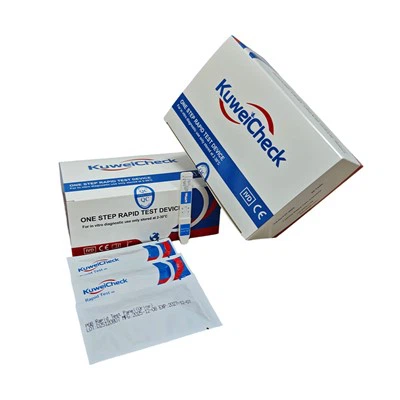
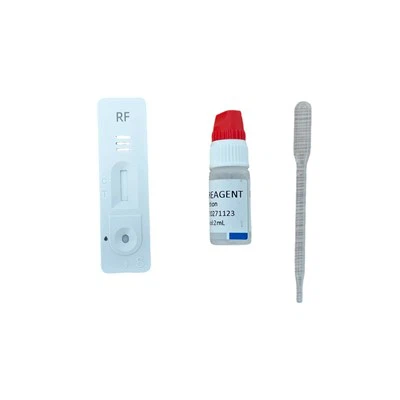
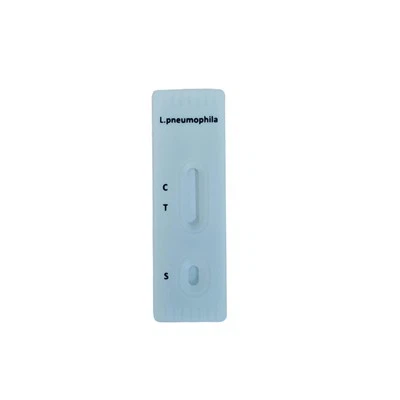
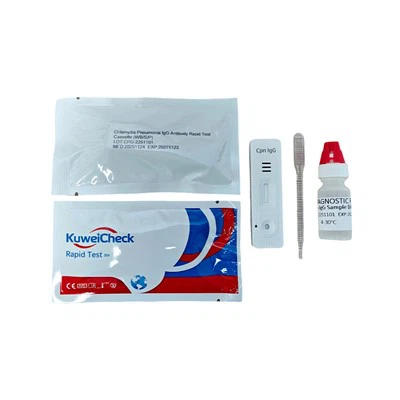
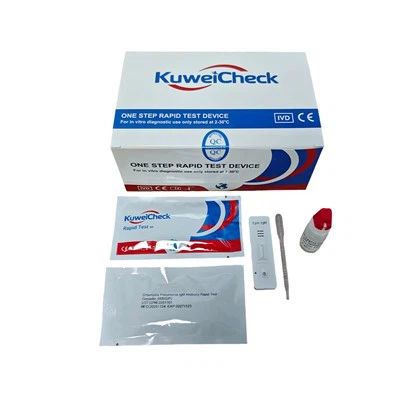
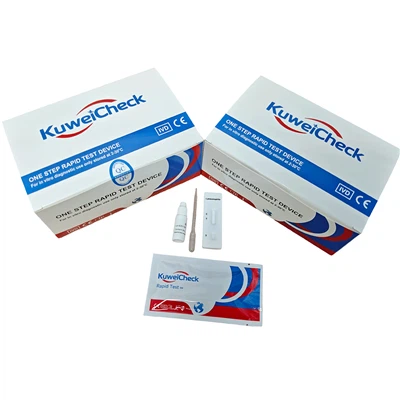

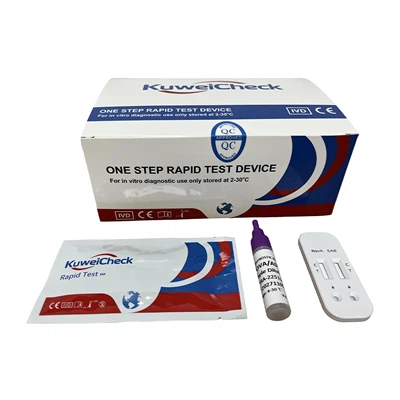
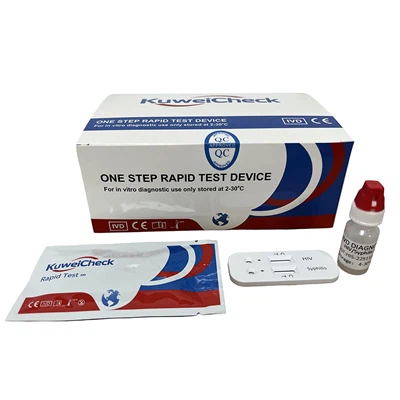
Infectious Disease Tests are a standard component of medical care and assist your doctor in determining your general health.
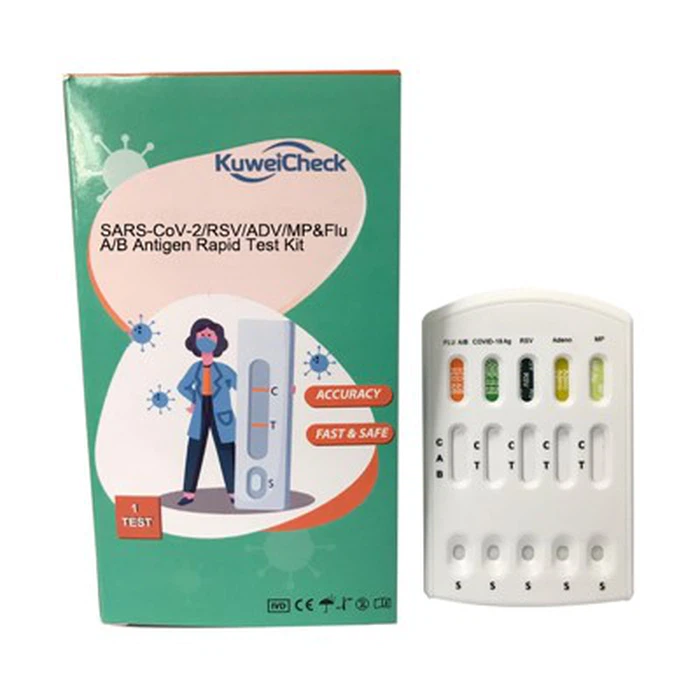
Infectious disease tests are medical diagnostics designed to detect the presence of pathogens or the body's response to them in order to diagnose infectious diseases. These diseases can be caused by various microorganisms, including bacteria, viruses, fungi, and parasites. The tests help healthcare providers to identify the specific agent responsible for an infection, which is crucial for effective treatment and management of the disease.
Features of Infectious Disease Tests
Speed
Rapid results are a key feature of infectious disease tests. Quick turnaround times enable timely treatment decisions, which is especially important in managing outbreaks or severe infections. Speedy testing helps reduce patient anxiety and allows for prompt public health responses.
Sensitivity
Sensitivity is a critical factor in infectious disease tests, ensuring that even low levels of pathogens are detected. High sensitivity reduces the risk of missing an infection, which is particularly important for diseases with serious health implications or those that are easily transmitted.
Specificity
Specificity refers to the test's ability to correctly identify the intended pathogen without cross-reacting with others. High specificity minimizes the occurrence of false-positive results, which can lead to unnecessary treatments and anxiety.
User-Friendliness
Infectious disease tests are often designed to be user-friendly, allowing healthcare professionals to perform tests efficiently. Clear instructions and straightforward procedures reduce the risk of errors, ensuring that accurate results are obtained even in high-pressure environments.
Versatility
Many infectious disease tests are versatile, capable of detecting multiple pathogens from a single sample. This versatility enhances diagnostic efficiency, especially in cases where multiple infections are suspected, reducing the need for multiple tests.
Portability
Portable infectious disease tests are essential for use in field settings or remote areas where access to laboratory facilities is limited. These tests allow for on-the-spot diagnosis, which is crucial for managing outbreaks or providing care in underserved regions.
Examples of Infectious Disease Tests


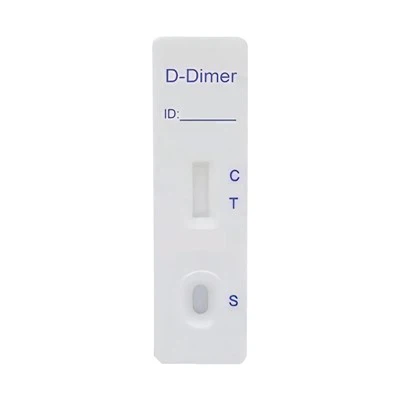
Adenovirus Antigen Test Kit
Description
An Adenovirus Antigen Test Kit is a diagnostic tool designed to detect the presence of adenovirus antigens in clinical specimens, typically from nasopharyngeal swabs, throat swabs, or other respiratory specimens. This kit is used in a laboratory setting by healthcare professionals to aid in the rapid diagnosis of adenovirus infections.
How to Use
●Specimen Collection
Take out the cotton swab from the kit, insert it completely into the nasal cavity, rub the nasal concha several times, and collect the mucosal epidermis.
●Specimen Extraction
Open the sample extraction tube that has been filled with sample extract, dip the cotton swab after collecting the sample into the sample extract in the sampling tube and stir. And squeeze the cotton swab several times from the outside of the sampling tube with your fingers to make the sample extract fully soak into the cotton swab, then pull out the cotton swab and cover it with a lid.
●Detection
Take out the test plate and lay it flat. Then drip 100μL (about 3 drops) of the sample from the sampling tube into the sample dripping part of the test plate, and observe the judgment part of the test plate after 15 minutes.
How to Choose
●Understand the Purpose
Before selecting an Adenovirus antigen test kit, it's essential to understand its intended use. Are you looking to diagnose acute respiratory infections, eye infections, or other illnesses caused by adenovirus? Knowing the specific purpose will help you choose the most appropriate test kit for accurate results.
●Evaluate Sensitivity and Specificity
Sensitivity and specificity are critical factors in choosing a test kit. High sensitivity ensures that the test can detect even low levels of the adenovirus antigen, reducing the risk of false negatives. High specificity ensures that the test accurately identifies adenovirus without cross-reacting with other viruses, minimizing false positives.
●Consider Ease of Use
The ease of use is an important factor, especially if the test will be administered in various settings, such as clinics, schools, or at home. Choose a test kit with clear instructions, minimal preparation steps, and user-friendly procedures to ensure accurate results and reduce the risk of errors.
●Review Turnaround Time
The speed at which the test provides results is crucial, especially in clinical settings where timely diagnosis can impact treatment decisions. Opt for a test kit that offers quick results, ideally within minutes, to facilitate prompt decision-making and patient management.
CRP Rapid Test Kit
Description
A CRP Rapid Test Kit, also known as a C-reactive protein rapid test, is a diagnostic tool used to measure the levels of C-reactive protein (CRP) in a patient's blood. CRP is an acute-phase reactant, which means its concentration in the blood increases rapidly in response to inflammation. This increase can be due to conditions like infections, tissue damage, or autoimmune disorders.
How to Choose CRP Rapid Test Kit
●Determine the Purpose of the Test
Determine the specific purpose for using the CRP rapid test kit, such as detecting inflammation, differentiating between bacterial and viral infections, or monitoring chronic conditions. Understanding the purpose will help you select a test that meets your clinical or diagnostic needs.
●Evaluate Sensitivity and Specificity
Evaluate the sensitivity and specificity of the CRP rapid test kit. High sensitivity ensures that low CRP levels are detected, which is critical for identifying early or mild inflammation. High specificity minimizes the possibility of false positives, ensuring that only cases of actual elevated CRP are detected.
●Consider Ease of Use
Select a user-friendly CRP rapid test kit with clear instructions and simple procedures. This is especially important in point-of-care settings or when non-laboratory staff will be performing the test. Easy-to-use kits help ensure that results are accurate and reduce the risk of errors.
●Evaluate Result Turnaround Time
Look for a CRP rapid test kit that can get results quickly, usually within 5 to 15 minutes. Rapid results are essential for timely clinical decisions, especially in emergency or acute care situations where timely diagnosis is critical.
●Check Sample Requirements
Consider the type and amount of sample required for the CRP rapid test kit. Tests that require minimal sample volume, such as a small drop of blood from a finger prick, are more convenient and less invasive and are suitable for a variety of settings, including outpatient and home care.
●Validate Storage and Stability
Check the test kit's storage requirements and stability. CRP rapid tests that can be stored at room temperature and remain stable over time are more convenient and cost-effective, especially in settings with limited refrigeration facilities.
●Review Data Management Features
Some CRP rapid tests offer digital readouts or data management connectivity options for easy integration with electronic health record (EHR) systems. These features can make results tracking more efficient and improve overall patient management.
TB Rapid Test
Description
A TB Rapid Test, often referred to as a Rapid TB Test or a TB Ag/Ab Rapid Test, is a diagnostic tool designed to detect the presence of tuberculosis (TB) in a patient. These tests are typically used as a screening tool in settings where faster results are needed, such as in regions with high TB prevalence or in emergency situations.
How to Use TB Rapid Test
●Preparing the Test Kit
Gather all necessary materials, including the TB rapid test cartridge, buffer solution, dropper, and any other components provided. Before beginning the test, ensure that the test kit and all materials are at room temperature, as temperature can affect test performance.
●Collecting the Sample
TB rapid tests typically require a blood sample, which is usually obtained via a finger prick. Use a sterile lancet to prick your finger and collect a small drop of blood with the dropper or capillary tube provided. Ensure that sample collection is completed properly to avoid contamination and ensure accurate results.
●Adding the Sample to the Test Cartridge
Place the collected blood sample into the sample well on the test cartridge. It is important to follow the instructions to add the correct amount of blood so as not to dilute or overwhelm the test, which can result in inaccurate results.
●Adding the Buffer Solution
After adding the blood sample, drop the appropriate amount of buffer solution into the buffer well on the test cartridge. The buffer solution helps the blood sample flow through the test strip so that it can properly interact with the test reagents.
●Waiting For Results
Allow the test to develop for the time specified in the instructions, which is usually 10 to 20 minutes. Do not interpret the results before or after the recommended time, as this can result in false readings. Make sure to place the test on a flat surface during this waiting period.
●Interpret the Results
Interpret the results according to the instructions. Typically, the appearance of the control line (C) confirms that the test is working properly. The presence of the test line (T) next to the control line indicates a positive result, i.e. the presence of TB antibodies. A single control line usually indicates a negative result. If no control line appears, the test is invalid and should be repeated with a new test kit.
Our Factory
Established in 2019, Located in Hangzhou City, With 3 Industrial parks and over 100 employees. Hangzhou Yicare Biotech Co.,LTD is one of the most professional supplier of medical devices in-vitro. We are engaged in providing the complete solution of family health. Customer Satisfaction is our ultimate goal.Our Mission: Dedicated To Become Healthy Solution Provider With The Best Products And Service.We have 3 industrial parks with over 40.000 square meters and over 300 labor workers, with production speed of 300k rapid test per day and 6000 POCT meters per month. Most of our R & D team members have more than 10 years of experience in POCT product development and Rapid Test research.
Certificate


FAQ
As one of the most professional infectious disease tests manufacturers and suppliers in China, we're featured by quality products and good service. Please rest assured to buy cheap infectious disease tests in stock here from our factory. For free sample, contact us now.