


Hemoglobin Test System
Hangzhou Yicare Biotech Co., Ltd. :Your Trustworthy Hemoglobin Test System Manufacturer!
Our company was founded in 2019 and has 3 industrial parks and more than 100 employees. We have 3 industrial parks covering more than 40,000 square meters, more than 300 workers, and a production rate of 300,000 rapid test reagents per day and 6,000 POCT reagents per month. Most of our R&D team members have more than 10 years of experience in POCT product development and rapid testing research.
Rich Product Variety
Our company can produce home hemoglobin testers, creatinine analyzers, home oxygen concentrators, ultrasound systems, digital ultrasound machines, veterinary ultrasounds, cart-type color ultrasound diagnostic instruments, etc.
Quality Guaranteed
Our quality system also meets the requirements of China nMPA medical device quality system specifications. The factory has passed China nMPA registration; obtained TUV's ISO13485:2016 quality management system certification; passed TUV CE registration audit, and obtained CE certificates for multiple products.
Leading Service
We have many years of industry experience and a complete production management, quality supervision and sales service operation system. Whether you want to buy a digital ultrasound machine or a veterinary ultrasound, just send your needs by email and we can customize the product for you.
Rich Experience
We specialize in the research and development, production and sales of IVD (in vitro diagnostic) reagents and supporting instruments. Most of the members of the R&D team have more than 8 years of experience in POCT product development.
-
![Hemoglobin Analysis Meter]() Hemoglobin Analysis Meter
Hemoglobin Analysis Meter$ 30.00
-
![Hemoglobin Testing Strip]() Hemoglobin Testing Strip
Hemoglobin Testing Strip$ 0.20
-
![Hemoglobin Meter HB Meter]() Hemoglobin Meter HB Meter
Hemoglobin Meter HB Meter$ 25.00
-
![At Home Hemoglobin Meter]() At Home Hemoglobin Meter
At Home Hemoglobin Meter$ 30.00
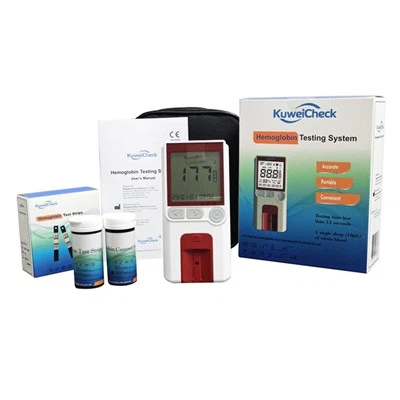


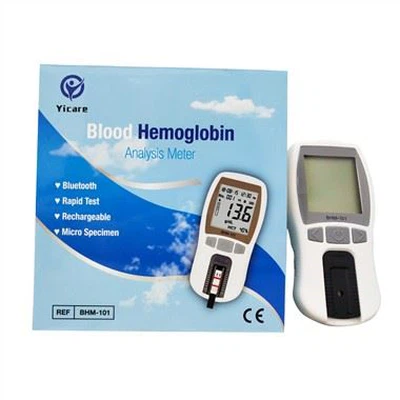
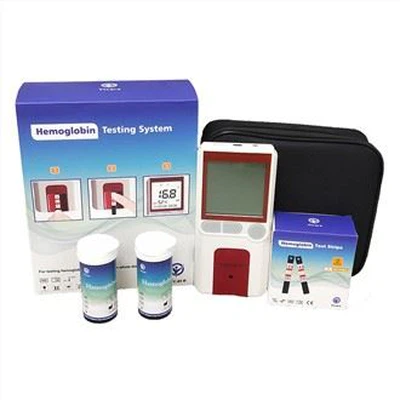
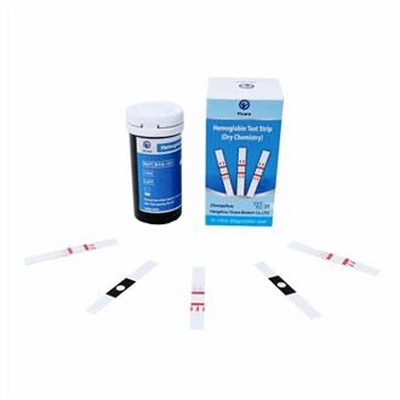

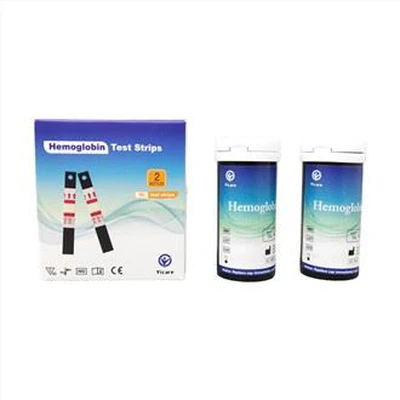
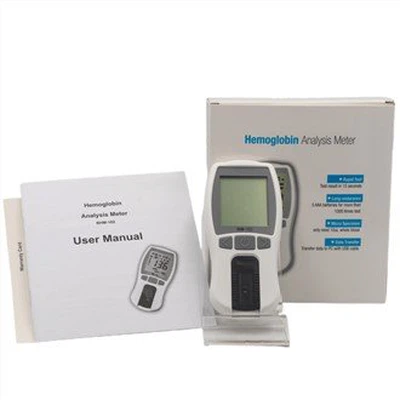
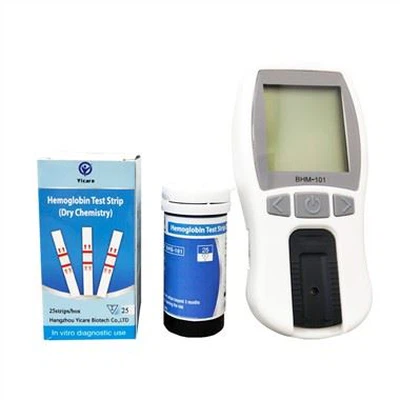
Hemoglobin Test System measures the amount of hemoglobin in the blood.Red blood cell counts can be quickly and readily determined using this hemoglobin test. Red blood cell levels must be determined using a little blood sample that is collected through a finger prick. All the equipment required to safely draw one drop of blood at home or anywhere is included in the test kits.

A Hemoglobin Test System is a medical diagnostic tool used to measure the concentration of hemoglobin in a blood sample. Hemoglobin (Hb) is the protein found in red blood cells that carries oxygen from the lungs to the rest of the body and returns carbon dioxide from the tissues back to the lungs to be exhaled. The test system is crucial in evaluating a patient’s oxygen transport capacity and can indicate several health conditions.
Features of Hemoglobin Test System
Quick and Convenient Measurements
Hemoglobin Test System provide rapid results, allowing healthcare professionals to obtain hemoglobin levels in a matter of minutes. This speed is particularly beneficial in emergencies or when frequent monitoring is required.
Point-of-Care Testing
Portable hemoglobin meters enable point-of-care testing, eliminating the need for sending samples to a laboratory for analysis. This saves time and resources, enabling prompt decision-making and immediate initiation of treatment.
Accurate and Reliable Results
Hemoglobin meters employ advanced technologies that ensure accurate and reliable measurements. This precision is essential for making accurate diagnoses, monitoring treatment progress, and adjusting therapeutic interventions as necessary.
Non-Invasive Testing Options
Some hemoglobin meters utilize non-invasive techniques, such as optical sensing, which eliminates the need for blood draws. This offers a painless and convenient testing experience, particularly for pediatric patients or individuals with a fear of needles.
Efficient Anemia Detection and Monitoring
Haemoglobin meters are invaluable tools for detecting and monitoring anemia. They enable healthcare professionals to identify anemia early, determine its severity, and track changes in hemoglobin levels over time.
Enhanced Diabetes Management
Hemoglobin meters play a crucial role in diabetes management by measuring glycated hemoglobin (HbA1c) levels.
Sickle Cell Disease Monitoring
Haemoglobin meters are essential in monitoring hemoglobin levels and detecting complications in individuals with sickle cell disease. Regular monitoring allows healthcare professionals to intervene promptly and prevent severe complications.
Operation Guide
Parts of Hemoglobin Test System




Analyzer or Hemoglobinometer
This is the main device that reads and calculates the hemoglobin concentration. It uses various methods such as spectrophotometry, colorimetry, or impedance to measure the hemoglobin level. Modern analyzers are often automated and can process multiple samples simultaneously, providing quick and accurate results.
Sample Collection Devices
These include needles, lancets, and vials for collecting blood samples. Capillary tubes are often used for small blood samples, especially in point-of-care testing devices. These devices must be sterile to prevent contamination.
Reagents
Reagents are chemicals used in the hemoglobin measurement process. They typically include solutions that convert hemoglobin into a form that can be measured by the analyzer. For instance, a cyanide-based reagent converts hemoglobin into cyanmethemoglobin, which can be measured by its absorbance at a specific wavelength.
Calibrators and Controls
These are pre-measured samples with known concentrations of hemoglobin used for calibrating the analyzer and ensuring its accuracy. Calibrators set the baseline for measurements, while controls are used periodically to check the system's performance.
Software
The system software is responsible for controlling the analyzer, processing the data from the samples, and generating results. It may include features for data management, quality control, and reporting. Software can also be integrated with hospital information systems for seamless data transfer.
Quality Assurance Kits
These kits are used to ensure the reliability and accuracy of the hemoglobin measurements. They include standard samples with known values that are tested periodically to check the system's calibration and performance.
Maintenance Kits
Maintenance kits contain the necessary tools and solutions for cleaning and maintaining the system. Regular maintenance is crucial to ensure the system operates efficiently and provides accurate test results.
Power Source and Connectivity
The system requires a stable power source and may include a battery backup for uninterrupted operation. Connectivity options such as USB, Ethernet, or wireless connections allow for data transfer and integration with other medical devices or information systems.
User Interface
A clear and user-friendly interface allows healthcare professionals to operate the system easily. This includes a display screen for viewing results and settings, and controls for initiating tests and navigating through the system's menu.
REFERENCE VALUE
|
Men |
13.0-17.0 g/dL(130-170 g/L,8.1-10.5mmol/L) |
|
Women |
12.0-15.0 g/dL(120-150 g/L,7.4-9.3mmolL) |
|
Children |
11.0-14.0 g/dL(110-140 g/L,6.8-8.7 mmol/L) |
TEST RANGE
3.0-25.6 g/dL(30-256 g/L,1.9-15.9mmoVL)
What Are the Parameters Measured By Hemoglobin Test System?
Hemoglobin Level
Hemoglobin (Hb) is contained in red blood cells and used to transport oxygen from the lungs to bodily tissue. If the hemoglobin level is too low, it is called anemia. Symptoms of this deficiency can include fatigue, lack of energy, fainting, paleness or shortness of breath.
Hematocrit Level
Hemoglobin is responsible for the red color of blood and has values closely related to the red blood cell count. The hematocrit (HCT) level is the portion of blood occupied by blood cells (red blood cells, white blood cells, platelets), while the plasma is the remainder. Since red blood cells make up about 98% of the blood cells, the hematocrit measurement is the ratio of red blood cells in the sample for the total blood volume.
Glycated Hemoglobin Level
Glucose tends to bind to various proteins including hemoglobin. HbA1c or glycated hemoglobin is the fraction of hemoglobin that has reacted with glucose. Some analyzers can measure this glycated hemoglobin and more accurately assess the blood glucose level in the blood. The glycated hemoglobin level is therefore very useful for the diagnosis and monitoring of diabetes.
Calibration and Quality Control
Regularly calibrate the hemoglobin meter according to the manufacturer’s instructions to maintain accuracy. Perform routine quality control checks using control solutions provided by the manufacturer to verify that the meter is functioning correctly.
Cleaning and Disinfection
Clean the meter after each use using a lint-free cloth and a mild detergent or disinfectant recommended by the manufacturer. Ensure proper disinfection to prevent cross-contamination between patients.
Storage Conditions
Follow the manufacturer’s recommendations for proper storage conditions, including temperature and humidity ranges.


Battery Management
To ensure uninterrupted operation, it is recommended to regularly monitor the battery status of the hemoglobin meter and replace them as necessary if it is battery-powered. It is also advisable to have spare batteries readily available.
Regular Inspection
Regularly inspect the hemoglobin meter to verify the condition of its components. Promptly address any signs of wear or damage that are identified during the inspection.
User Training and Education
Provide proper training to healthcare professionals who will be using the hemoglobin meter. Ensure that they are familiar with the operating instructions, maintenance procedures, and troubleshooting techniques.
Our Factory
Established in 2019, Located in Hangzhou City, With 3 Industrial parks and over 100 employees. Hangzhou Yicare Biotech Co.,LTD is one of the most professional supplier of medical devices in-vitro. We are engaged in providing the complete solution of family health. Customer Satisfaction is our ultimate goal.Our Mission: Dedicated To Become Healthy Solution Provider With The Best Products And Service.We have 3 industrial parks with over 40.000 square meters and over 300 labor workers, with production speed of 300k rapid test per day and 6000 POCT meters per month. Most of our R & D team members have more than 10 years of experience in POCT product development and Rapid Test research.
Certificate


FAQ
As one of the most professional hemoglobin test system manufacturers and suppliers in China, we're featured by quality products and good service. Please rest assured to buy cheap hemoglobin test system in stock here from our factory. For free sample, contact us now.