


Urine Analyzer
Why Choose Us
Our Certificate
Our quality system also meets the requirements of China's nMPA medical device quality system specification. The factory has passed China's nMPA registration; obtained TUV's ISO13485:2016 quality management system certification; passed the TUV CE registration audit and obtained CE certificates for several products.
Rich Experience
Specialized in the research and development, production and sales of IVD (in vitro diagnostic) reagents and supporting instruments. Most of our R&D team members have more than eight years of experience in POCT product development.
Quality Control
With high-performance production equipment, strict quality management strategies and quality control methods, we are able to quickly provide customers with high-quality, low-cost, and excellent products.
Quality customer service
Our dedicated team is always ready to answer your questions, provide you with detailed information about our products and guide you in your choice.
What is Urine Analyzer
A urine analyzer is a medical device that is used to analyze the chemical components of urine. It is commonly used in medical facilities and laboratories to detect the presence of various substances in urine, such as glucose, protein, ketones, and blood. Urine analyzers can help diagnose a range of health conditions, such as diabetes, urinary tract infections, kidney disease, and liver disease. They are typically automated machines that use optical or chemical methods to detect and measure the concentration of specific components in urine. Results are displayed on a digital screen and can be used by healthcare professionals to guide treatment decisions.
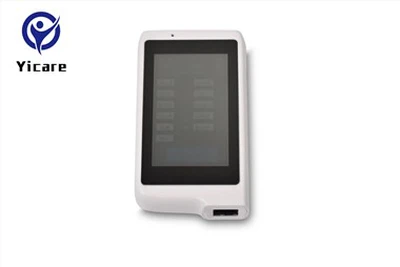
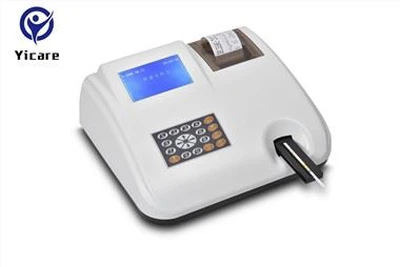


An instrument called a urine analyzer is used in clinical settings to carry out automatic urine testing. Numerous analytes, including bilirubin, protein, glucose, and red blood cells, can be detected and quantified by the devices.
Benefits of Urine Analyzer
Quick and Accurate Results
Urine analyzers provide quick and accurate results, which saves time, effort, and resources in the diagnostic process. The analyzer can detect abnormalities in urine that may signify health problems such as urinary tract infections (UTIs) kidney disease, diabetes, and liver disease.
Cost-Effective
Urine analyzers are a cost-effective way of monitoring several health conditions. They reduce the need for expensive laboratory tests and imaging studies that may be required for similar diagnostic purposes.
Convenient
Urine analyzer is user friendly and easy to operate. Medical personnel can quickly and easily perform a series of tests on urine samples, without the need for external laboratory work.
Non-Invasive
The urine analyzer is a non-invasive diagnostic tool, and it is generally less invasive than other diagnostic methods like blood tests or MRI scans. The analyzer can also help individuals feel more comfortable and less anxious during the diagnostic process.
Early Detection
Urine analyzers help in early detection of chronic conditions, such as UTIs, kidney disease, or diabetes. Early diagnosis of these conditions can lead to proper treatment and better health outcomes.
What are the Applications of Urine Analyzer


Clinical Laboratories
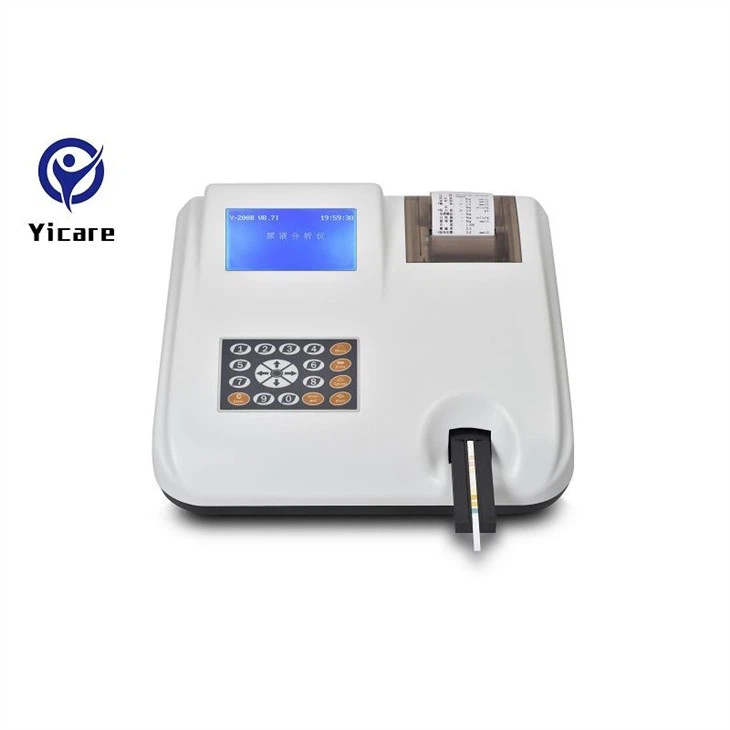
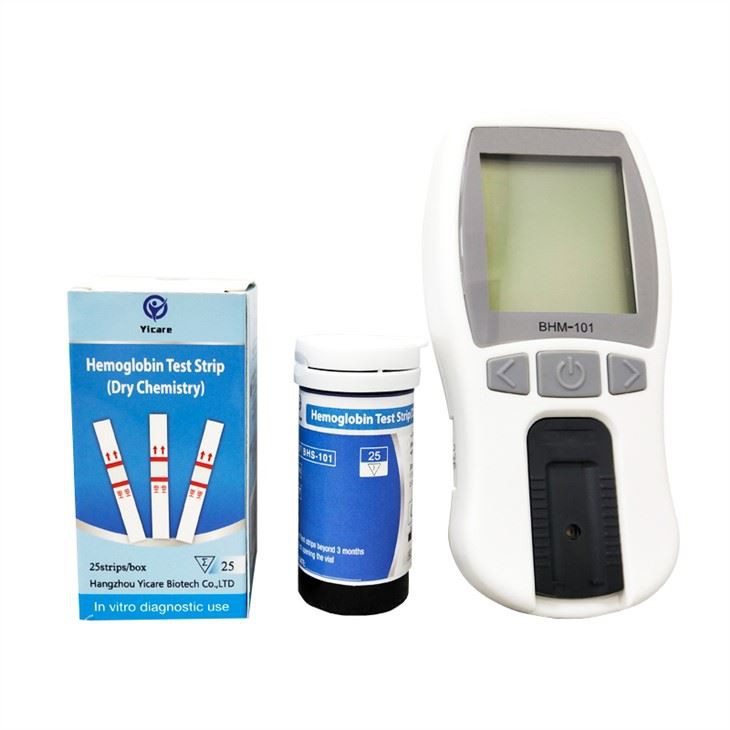
Urine analyzers are used in hospitals and clinical laboratories to measure different parameters such as specific gravity, pH, protein, glucose, ketones, bilirubin, urobilinogen, leukocytes, nitrites, and blood.
Point-of-Care Testing
Urine analyzers are used in point-of-care testing to provide fast and accurate test results. These tests are helpful in emergency departments, clinics, and physicians' offices.
Drug Testing
Urine analyzers are used for drug testing in rehabilitation centers, athletic organizations, and workplaces. They detect drugs of abuse and help in monitoring patients who are taking medication regularly.
Veterinary Medicine
Urine analyzers are used in veterinary medicine to monitor the health status of pets and diagnose diseases.
Research
Urine analyzers are used in research to measure different parameters for various diseases and conditions. They are helpful in identifying new biomarkers and developing diagnostic tests.
Types of Urine Analyzer
Semi-Automatic Urine Analyzer YC-200B
Urine Analyzer YC-200B is a kind of semi-automatic photoelectric colorimeter that can be used together with the URS-10T, URS-11MA, URS-11-Ⅲ. It can provide a qualitative or semi-quantitative result for Urobilinogen, Bilirubin, Kentone, Blood, Protein, Nitrite, Leucocytes, Glucose, Specific gravity, pH, Ascorbate Acid and Micro Albumin of the urine sample according to the color change caused by the interaction between the reagent areas and the biochemical components in urine.
Portable Urine Analyzer
The Portable Urine Analyzer is an important screening and diagnostic tool, but it is only useful if health practitioners know how to perform the test and interpret the data appropriately. After reading the article, you can test your knowledge with a self-assessment.
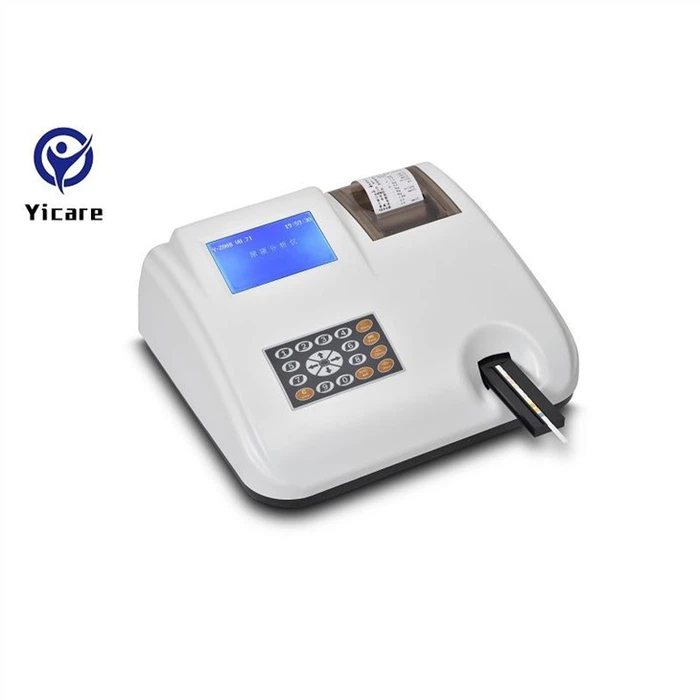
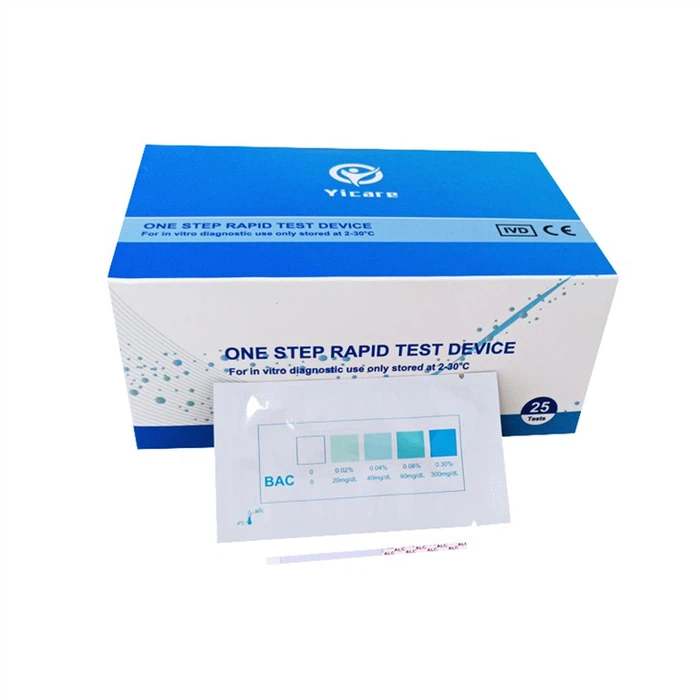
Handheld Urine Analyzer
The YC-100 Urine analyzer integrates advanced technologies such as modern optics, electronics and computers.Modern optics, electronics, and computers are all integrated into the Handheld Urine Analyzer. The optical system adopts the principle of reflection measurement of an ultra-high brightness cold light source, upgrades from single wavelength visible light gray recognition to color recognition of visible lights, enhances the optical system's resolution, significantly reduces the impact of ambient light on testing, and eliminates the traditional urine analyzer urine color interference phenomenon.
Semi-Automatic Urine Analyzer YC-600
The Semi-Automatic Urine Analyzer Y-600 adopts the advanced“High luminosity cold light source reflection determination”technology and D pipeline architecture, the users put the test strips on the platform at any time and does not need to consider the reaction time. The instruments check the strips with the above sensor, and then transmit the strips to start testing, print the testing results automatically. The information exchange between users and instruments are through the touch screen and interactive programs.
Sample Receptacle
The urine sample receptacle is usually a small container where a urine sample is collected and placed before being analyzed. The container is usually made of a disposable material like plastic and is designed to fit into the urine analyzer.
Optical System
The optical system is a critical component of the urine analyzer, which is used to measure various parameters such as color, turbidity, and specific gravity. The system generally consists of a light source, filter, and photodetector.
Microprocessor
The microprocessor is responsible for controlling the entire system of the urine analyzer, including data collection and display. It processes the data, calculates the urine parameters, and displays the results on the screen.
Display Screen
The display screen is where all the information related to the urine test results are displayed. The screen is usually an LCD screen that displays the measured parameter values as well as any other relevant information.
Printer or Connectivity
Many urine analyzers also include a printer or connectivity option to transfer the test results to a computer for future reference. The printer or connectivity allows healthcare professionals to obtain a hard copy or digital copy of the test results for patients’ medical records.
Sample Identification
Sample identification is an essential feature that helps to keep track of the samples being analyzed. A barcode reader or a labelling system is used to identify the samples so that the correct results are matched to the right patient.
Automated Pipetting System
An automated pipetting system is used to aspirate and dispense urine samples. The system reduces the risk of errors associated with manual pipetting and speeds up the process of sample processing.
Quality Control System
A quality control system is used to ensure that the urine analyzer is working correctly and delivering accurate test results. It includes procedures for calibration, monitoring, and corrective action to maintain the integrity of the urine test results.
Urine Analyzer Features
Automated
Modern urine analyzers are fully automated and can run onboard diagnostics, perform pre-analytical checks and measurements, and perform data collection, storage, and dissemination.
Large capacity
Many modern urine analyzers have large sample capacity and can analyze multiple samples at once, increasing their efficiency and utility.
Multiple parameters
Urine analyzers can measure a wide range of parameters, including pH, specific gravity, volume, protein, glucose, red and white blood cells, bacteria, and chemical contaminants.
Affordable
Urine analyzers are generally affordable and cost-effective, making them a valuable investment for medical professionals looking to streamline their diagnostic processes.
Connectivity
Many urine analyzers can be connected to data management systems, making it easier to track results, monitor trends, and share information with other medical professionals.
Compact design
Urine analyzers are typically designed to be compact, allowing them to easily fit into clinical laboratories, hospital rooms, and other medical settings.
How a Urine Analyzer Works
Sample Preparation:The urine samples are typically collected in sterile containers and labeled with patient information. They are then loaded onto the analyzer, either manually or using an automated sample handling system.
Sample Identification:Each sample is identified and associated with patient data to ensure accurate results and traceability.
Sample Mixing:The analyzer gently mixes the urine sample to ensure homogeneity and uniform distribution of components.
Optical Measurement:The analyzer uses various optical techniques to measure different parameters of the urine sample. This may include absorbance, reflectance, fluorescence, or light scattering.
Parameter Analysis:The analyzer measures and quantifies various urine parameters, including but not limited to pH, specific gravity, protein levels, glucose levels, blood cells, and presence of specific substances or analytes. It can also detect abnormalities or indicators of certain medical conditions.
Data Processing and Interpretation:The analyzer processes the raw data obtained from the sample analysis and converts it into meaningful results. These results are typically displayed on a screen or printed for further analysis and interpretation by healthcare professionals.
Quality Control:The automated urine analyzer incorporates internal quality control measures to ensure the accuracy and reliability of the results. This involves running known control samples at regular intervals to verify the analyzer's performance.
Maintenance Tips for Urine Analyzer
Regular cleaning of the urine analyzer is essential to prolong its durability. Clean the urine analyzer daily after each use with a soft, dry cloth. For stubborn stains, use a mild detergent and warm water.
The urine analyzer should be calibrated regularly to ensure accurate results. Calibrate the analyzer once a week or as recommended by the manufacturer.
Use quality control samples regularly to detect any changes or deviation in the urine analyzer's results.
Store the urine analyzer in a cool, dry place when not in use. Keep it covered to prevent dust and debris from entering.
Handle the urine analyzer with care, avoiding any sudden impacts or drops.
Replace any consumables, like reagents or test strips when they are expired, or when the analyzer indicates low levels.
Get the urine analyzer checked by a professional technician annually for any maintenance requirements or issues and ensure that the software and firmware are updated to the latest version.
Our Factory
Established in 2019, Located in Hangzhou City, With 3 Industrial parks and over 100 employees. Hangzhou Yicare Biotech Co.,LTD is one of the most professional supplier of medical devices in-vitro. We are engaged in providing the complete solution of family health. Customer Satisfaction is our ultimate goal.Our Mission: Dedicated To Become Healthy Solution Provider With The Best Products And Service.We have 3 industrial parks with over 40.000 square meters and over 300 labor workers, with production speed of 300k rapid test per day and 6000 POCT meters per month. Most of our R & D team members have more than 10 years of experience in POCT product development and Rapid Test research.
Certificate


FAQ
Q: What is a Urine Analyzer?
Q: How does a Urine Analyzer work?
Q: What types of tests can a Urine Analyzer perform?
Q: How long does it take to perform a urine test using a Urine Analyzer?
Q: What is the accuracy of a Urine Analyzer?
Q: Do I need any special training to use a Urine Analyzer?
Q: Is a Urine Analyzer safe to use?
Q: Can a Urine Analyzer be used at home?
Q: What are the benefits of using a Urine Analyzer?
Q: What are some common medical conditions that can be diagnosed using a Urine Analyzer?
Q: What is the purpose of urine chemistry analyzer?
Q: What precautions should be taken during urine analysis?
Q: What is the principle of urine analyzer machine?
Q: What is the most frequently performed chemical analysis of urine?
Q: What are the benefits of a urine analyzer?
Q: How is urine collected for analysis?
Q: What is the most reliable indicator of urine concentration?
Q: What is basic urine analysis?
Q: How do you use a urine chemistry analyzer?
Q: What is the principle of urine analyzer machine?
As one of the most professional urine analyzer manufacturers and suppliers in China, we're featured by quality products and good service. Please rest assured to buy cheap urine analyzer in stock here from our factory. For free sample, contact us now.